How many people fit in a mine bus?
By the MineBus team — Bus Stop Sales & Service · 50+ years in Australian bus supply · Reviewed June 2026
The right seat count is the one that clears your busiest movement in the fewest runs — not the biggest number on the spec sheet.
The range, by seats
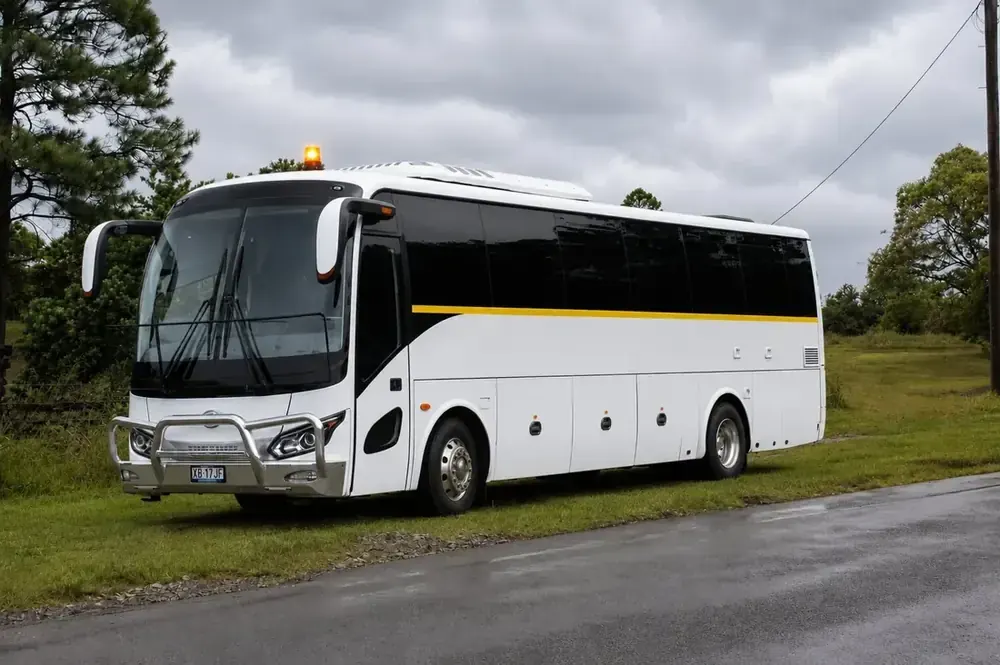
It runs from the 19-seat I-Bus NPS 4×4 for light and remote crews, through 25–31 on the I-Bus NQR, the 41–45 King Long for mixed duty, the 48–53 for distance, up to the King Long 57-Seat carrying up to 61 for maximum crew per run.
Every seat is a belted seat
Mine buses don't carry standees. Capacity is seated, three-point-belted capacity — and on most site specs, belt monitoring confirms every one is worn. Plan a seat per person, with room for crib bags, PPE and hand tools.
Fewer runs beats more seats
A bigger bus that halves your movements saves more in driver hours, fuel and gate cycles than it costs in capital. But size to the peak, not the average — a 57 that runs half-empty most days is dead capital. Model it against your real roster and your cost of ownership with the Transport Planner.
Account for accessible seats up front
If the workforce needs a wheelchair position, that's a configuration decision at order time, not a retrofit later.
Frequently asked questions
How many seats can a mine bus have?
Can mine buses carry standing passengers?
What's the best size for shift changes?
Related
Spec your mine bus fleet
Tell us your site, commodity, roster and dates — we'll recommend the right bus, confirm the mine-spec equipment and price both purchase and hire.